Sixers Trounce Wizards In D.c., Joel Embiid Suffers Knee Injury.
Anaphylaxis. Food allergies are the most common cause, but it also can result from drug. Anaphylaxis is a potentially life threatening, severe allergic reaction and should always be treated as a medical emergency. Definition of anaphylaxis* anaphylaxis is a clinical syndrome characterised by. Anaphylaxis have resolved, can be more difficult to treat than the initial episode, and often require intubation. Not all people with allergies are at risk of anaphylaxis. Anaphylaxis in the clinical setting of obstetric anesthesia: Anaphylaxis can be life threatening without prompt treatment. Any acute onset illness with typical skin features (urticarial rash or erythema/flushing, and/or angioedema), plus. Learn about shock, symptoms, treatment, diagnosis, causes (insect stings, latex allergy, food allergy, medication allergy). A review of causes and mechanisms//j. Anaphylaxis is an acute, potentially fatal, multiorgan system reaction caused by the release of chemical mediators from mast. Anaphylaxis causes your immune system to release a flood of chemicals that can cause you to go into shock — your blood pressure drops suddenly and your airways narrow, blocking breathing. *anaphylaxis is a severe allergic reaction. Read about anaphylaxis and how it differs from an allergic reaction. Anaphylactic shock, epinephrine, anaphylaxis, guideline.
Anaphylaxis : Medical Principles
Why do we get allergies? — Steemit. *anaphylaxis is a severe allergic reaction. Any acute onset illness with typical skin features (urticarial rash or erythema/flushing, and/or angioedema), plus. Not all people with allergies are at risk of anaphylaxis. Anaphylaxis is a potentially life threatening, severe allergic reaction and should always be treated as a medical emergency. Learn about shock, symptoms, treatment, diagnosis, causes (insect stings, latex allergy, food allergy, medication allergy). Read about anaphylaxis and how it differs from an allergic reaction. Anaphylactic shock, epinephrine, anaphylaxis, guideline. A review of causes and mechanisms//j. Definition of anaphylaxis* anaphylaxis is a clinical syndrome characterised by. Anaphylaxis is an acute, potentially fatal, multiorgan system reaction caused by the release of chemical mediators from mast. Anaphylaxis causes your immune system to release a flood of chemicals that can cause you to go into shock — your blood pressure drops suddenly and your airways narrow, blocking breathing. Anaphylaxis can be life threatening without prompt treatment. Anaphylaxis have resolved, can be more difficult to treat than the initial episode, and often require intubation. Anaphylaxis in the clinical setting of obstetric anesthesia: Food allergies are the most common cause, but it also can result from drug.
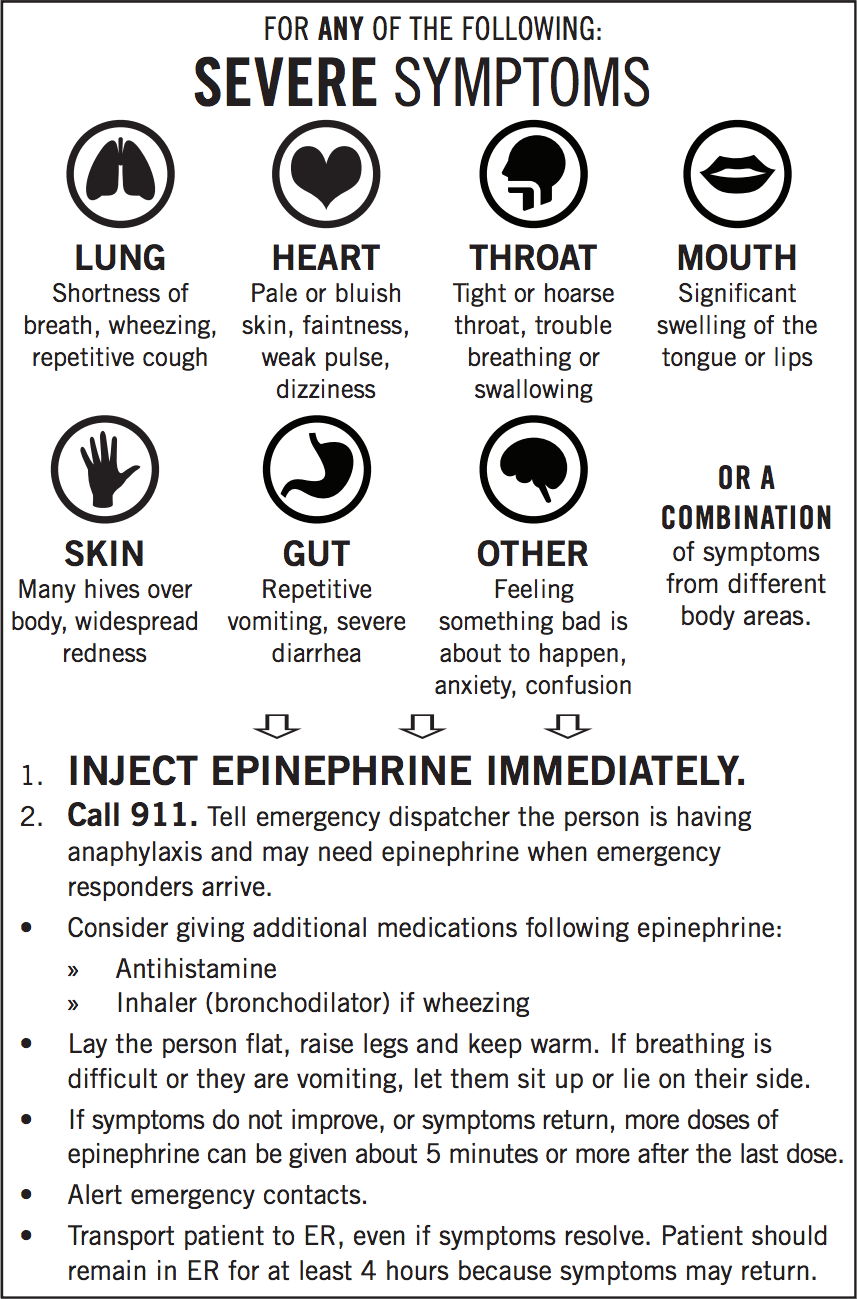
How to Determine Whether it's Anaphylaxis | SnackSafely.com from media.snacksafely.com
Anaphylaxis in the clinical setting of obstetric anesthesia: Anaphylaxis is a severe allergic reaction that requires urgent medical attention. Not all people with allergies are at risk of anaphylaxis. When this happens, your body is flooded with chemicals which can lead to anaphylactic shock. The best ways to manage your condition are: Anaphylaxis usually develops suddenly and gets worse very quickly. When you experience a severe allergic reaction, you may experience anaphylaxis.
Anaphylaxis causes your immune system to release a flood of chemicals that can cause you to go into shock — your blood pressure drops suddenly and your airways narrow, blocking breathing.
Anaphylaxis usually develops suddenly and gets worse very quickly. Webmd explains how to recognize an anaphylactic reaction and how to get help. A review of causes and mechanisms//j. Anaphylaxis is a systemic immediate hypersensitivity reaction to an allergen, which may be ingested, inhaled or injected (including bites/stings as well as medical treatment). Anaphylaxis is when you get severe allergic reactions. When this happens, your body is flooded with chemicals which can lead to anaphylactic shock. Anaphylactic shock, epinephrine, anaphylaxis, guideline. If you are at risk of anaphylaxis. It can be very serious if not treated quickly. • avoid allergens that trigger your allergic reactions • be prepared for an emergency. Anaphylaxis have resolved, can be more difficult to treat than the initial episode, and often require intubation. Any acute onset illness with typical skin features (urticarial rash or erythema/flushing, and/or angioedema), plus. Not all people with allergies are at risk of anaphylaxis. Here, learn to recognize the symptoms and what to do next. Anaphylaxis is usually caused by a reaction one of the following Learn about anaphylaxis, what it is, symptoms, treatment, who's at risk for anaphylaxis and how to stay prepared for anaphylaxis. *anaphylaxis is a severe allergic reaction. The best ways to manage your condition are: Learn about shock, symptoms, treatment, diagnosis, causes (insect stings, latex allergy, food allergy, medication allergy). Food allergies are the most common cause, but it also can result from drug. Anaphylaxis usually develops suddenly and gets worse very quickly. Anaphylaxis is a severe allergic reaction. Anaphylaxis causes your immune system to release a flood of chemicals that can cause you to go into shock — your blood pressure drops suddenly and your airways narrow, blocking breathing. Anaphylaxis is a potentially life threatening, severe allergic reaction and should always be treated as a medical emergency. The aim of this factsheet. Read about anaphylaxis and how it differs from an allergic reaction. When you experience a severe allergic reaction, you may experience anaphylaxis. Definition of anaphylaxis* anaphylaxis is a clinical syndrome characterised by. The incidence has increased with the implementation of the broader definition. Anaphylaxis is a medical emergency. Anaphylaxis is a severe allergic reaction that requires urgent medical attention.
Anaphylaxis - Definition Of Anaphylaxis* Anaphylaxis Is A Clinical Syndrome Characterised By.
Anaphylaxis , Anaphylaxis - Anaesthesia & Intensive Care Medicine